
-

Schicken Sie uns eine E-Mail
sale@lscmagnetics.com -

Kontaktnummer
+86 -13559234186
Schicken Sie uns eine E-Mail
sale@lscmagnetics.comKontaktnummer
+86 -13559234186

Qualitätsleitfaden: Von „ineffektiver Bewehrung“ zu präziser Lastübertragung
Sep 01, 2026
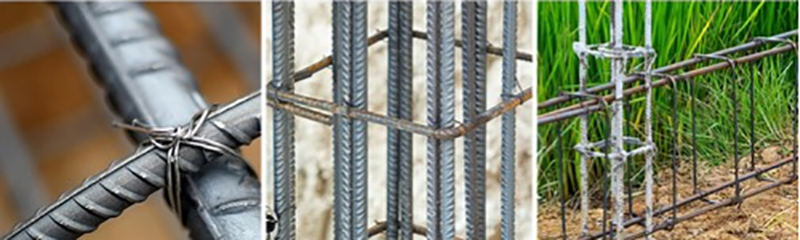
In der Vergangenheit war die Präzision von Bewehrungsband wurde oft als eine Frage des "gut genug" betrachtet. Bei großflächigen Bauwerken – insbesondere solchen, die hohen Anforderungen an die Erdbebensicherheit genügen müssen – kann diese Denkweise jedoch gefährlich unzureichend sein.
Damit Stahlbeton seine vorgesehene Funktion erfüllen kann, müssen die auf die einzelnen Bewehrungsstäbe wirkenden Kräfte zuverlässig über die Verbindungspunkte übertragen werden. Ist die Bewehrung mangelhaft – beispielsweise bei zu großem Bügelabstand, unzureichenden Hakenwinkeln oder nicht korrekt versetzten Überlappungsstößen –, kann die Bewehrung unabhängig von ihrer Menge nicht die geplante Tragfähigkeit erreichen. Dadurch wird die Bewehrung wirkungslos: Es entsteht Materialverschwendung, es kommt zu Engpässen, die das Einbringen des Betons behindern, und letztendlich wird die Tragfähigkeit des Bauwerks beeinträchtigt.
Effizientes Bewehrungsbinden bedeutet in erster Linie Präzision.
Moderne intelligente Bindesysteme ermöglichen heute millimetergenaue Bewehrungsplatzierung. Im Tunnelbau beispielsweise erreichen intelligente Bindewagen mit Bilderkennungstechnologie eine Bewehrungsabstandsgenauigkeit von über 98 %. So wird sichergestellt, dass jede Bewehrungsstange exakt an der richtigen Stelle sitzt und ihre volle mechanische Leistung erbringt. Dieser Wandel von „ungefähr akzeptabel“ zu „präzise kontrolliert“ ist grundlegend für die Gebäudesicherheit und Erdbebensicherheit.
Bei Megaprojekten mit Tausenden von Trägern und Zehntausenden von Bauteilen sind die traditionellen, arbeitsintensiven Methoden längst an ihre Produktivitätsgrenzen gestoßen.
Manuelles Binden ist nicht nur langsam, sondern auch anfällig für Qualitätsschwankungen. Intelligente Produktionslinien hingegen haben einen transformativen Einfluss. Im intelligenten Trägerwerk des Ausbauprojekts der Autobahn Peking–Kunming zwischen Guangyuan und Mianyang reduzierte eine intelligente Bewehrungskorb-Produktionslinie der nächsten Generation die Bearbeitungszeit pro Einheit von 4 auf 2,5 Stunden – eine Steigerung der Gesamteffizienz um 37,5 %. Im Tunnelbau verkürzten intelligente Transportwagen die Zykluszeit pro Schicht von 12 auf 8 Stunden, was einer Verbesserung von 33 % entspricht.
Diese Effizienzsteigerungen führen direkt zu einer Beschleunigung des Zeitplans und zu Kosteneinsparungen. Im Yongchang-Trägerfertigungswerk für die Hochgeschwindigkeitsstrecke Lanzhou–Zhangye ermöglichten intelligente Modernisierungen es 200 Mitarbeitern, die Arbeit von zuvor 400 Arbeitern zu erledigen und die Lohnkosten um rund 50 % zu senken. Bei Großprojekten, die sich über mehrere Jahre erstrecken, summiert sich dies zu erheblichen finanziellen Vorteilen.
Bei Großprojekten wird typischerweise unter engen Zeitplänen auf weitläufigen Baustellen gearbeitet, und die traditionelle Bewehrungstechnik setzt die Arbeiter körperlich anstrengenden Bedingungen und erheblichen Sicherheitsrisiken aus – insbesondere in beengten Räumen wie Tunnelauskleidungen und in der Höhe.
Automatisierte und intelligente Anlagen verändern diese Realität grundlegend. Durch den Übergang von manueller Arbeit zu maschinengesteuerten Prozessen werden Gefahren wie Abstürze und Unfälle durch herabfallende Gegenstände effektiv von vornherein beseitigt. Dies erfüllt nicht nur die Fürsorgepflicht des Arbeitgebers gegenüber seinen Mitarbeitern, sondern bietet auch eine praktische Lösung für den zunehmenden Fachkräftemangel in der Branche. Intelligente Systeme entlasten die Arbeiter von schweren, monotonen und risikoreichen Tätigkeiten und ermöglichen ihnen so den Wechsel zu wertvolleren Aufgaben wie der Anlagenüberwachung und Qualitätskontrolle.
Bis 2026 wird eine effiziente Bewehrungsverbindung bei großen Bauprojekten von einem wünschenswerten zu einem unverzichtbaren Bestandteil werden. Es geht nicht mehr nur darum, wie fest ein Draht verdrillt ist; vielmehr geht es um langfristige Tragwerksicherheit, Wirtschaftlichkeit des Projekts und die nachhaltige Entwicklung der Bauindustrie.
Für Baustofflieferanten und Branchenexperten ist das Verständnis und die Akzeptanz dieses Wandels eine unerlässliche Vorbereitung auf strengere Qualitätsstandards, kürzere Projektlaufzeiten und den tiefgreifenden Transformationsprozess, der die gesamte Branche derzeit prägt. Der Übergang von „fast ausreichend“ zu „millimetergenau“ ist nicht bloß ein technologisches Upgrade – er ist ein entscheidender Schritt hin zu einer qualitativ hochwertigeren und widerstandsfähigeren gebauten Umwelt.
Häufig gestellte Fragen
1. Wie wähle ich den richtigen Drahtquerschnitt für meine automatische Bewehrungswaage?
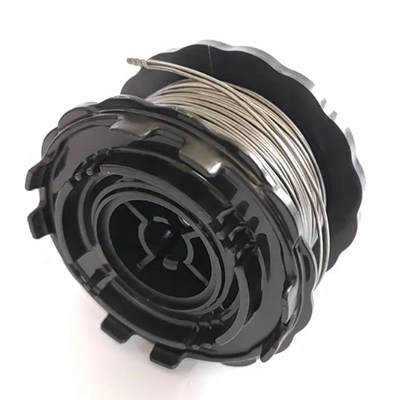
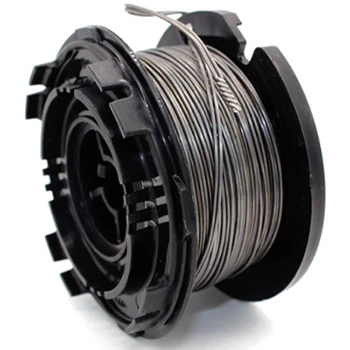
Prüfen Sie die Spezifikationen Ihres Bewehrungsstahlverlegers. 21 Gauge (0,8 mm) ist die Standardstärke für einadrige Modelle wie den MAX RB398 und RB518. 19 Gauge (ca. 1,0 mm) wird für zweiadrige Modelle wie den MAX RB441T verwendet. Die Verwendung einer falschen Stärke kann zu Maschinenstörungen oder zu schwachen, ungleichmäßigen Verbindungen führen.
2. Wie viele Kabelbinder kann ich aus einer Drahtspule herstellen?
Das hängt vom Drahtquerschnitt und den Wickeleinstellungen Ihrer Maschine ab. Eine Spule mit 21-Gauge-Draht (einfach) ergibt typischerweise 120 bis 190 Kabelbinder, während eine Spule mit 19-Gauge-Draht (doppelt) etwa 240 Kabelbinder liefert. Beachten Sie, dass eine 4-fache Wicklung weniger Kabelbinder pro Spule ergibt als eine 3-fache Wicklung.
3. Welche Oberflächenbehandlungen gibt es für Bewehrungsdraht, und welche sollte ich wählen?
Es gibt drei Haupttypen:
Schwarz geglüht: Die gebräuchlichste und kostengünstigste Option, geeignet für allgemeine Anwendungen im Innenbereich und Standardbau.
Elektrolytisch verzinkt: Mit einer Zinkschicht überzogen für Korrosionsbeständigkeit, ideal für Küsten-, feuchte oder im Freien exponierte Umgebungen.
PVC-/kunststoffbeschichtet: Empfohlen für Projekte mit epoxidbeschichtetem Bewehrungsstahl oder im Verkehrswesen (DOT), bei denen der Schutz der Bewehrungsstahlbeschichtung vor Beschädigungen von entscheidender Bedeutung ist.
4. Kann die Verwendung von gewöhnlichem oder minderwertigem Bindedraht die Lebensdauer meiner automatischen Bewehrungswaage verkürzen?
Ja. Minderwertiger Draht oder Draht mit falschem Durchmesser kann zu häufigem Verklemmen, ungleichmäßigem Drahtvorschub und instabilem Drehmoment führen. Dies beschleunigt mit der Zeit den Verschleiß der Zahnräder und des Vorschubmechanismus. Verwenden Sie zum Schutz Ihrer Geräte stets hochwertigen, weichgeglühten Draht, der sauber, glatt und frei von Öl, Rost und Graten ist.
5. Wie viel Bindedraht sollte ich pro Tonne Bewehrungsstahl einplanen?
Ein gängiger Branchenrichtwert liegt bei 8 bis 12 Kilogramm Bindedraht pro Tonne (1.000 kg) Bewehrungsstahl. Der tatsächliche Verbrauch variiert je nach Bewehrungskorbdichte, Bindemuster (z. B. punktuelles Binden vs. Binden an jedem Kreuzungspunkt) und Bewehrungsstahldurchmesser. Für die erste Budgetplanung wird häufig ein Durchschnittswert von 9–10 kg pro Tonne verwendet.
6. Trägt der Bindedraht selbst zur strukturellen Festigkeit des Betons bei?
Nein. Bindedraht dient lediglich als temporäre Positionierungshilfe – seine einzige Aufgabe ist es, die Bewehrung während der Bauarbeiten zu fixieren und so den korrekten Bewehrungsabstand und die korrekte Betondeckung vor dem Betonieren sicherzustellen. Die Traglast wird vollständig von der Bewehrung und dem Beton getragen. Eine mangelhafte Bindeverbindung, die ein Verrutschen der Bewehrungsstäbe ermöglicht, kann jedoch indirekt die Tragfähigkeit beeinträchtigen, indem sie die geplante Betondeckung und die Überlappungspositionen verändert.
Whatsapp : +86 -13559234186
E-Mail : sale@lscmagnetics.com
Tel : +86 -13559234186